
The ALUR Law (Loi pour l'Accès au Logement et un Urbanisme Rénové), enacted in March 2014, represents a major turning point in the French real estate sector. Designed to provide a structural response to housing issues, this law aims to regulate real estate markets, curb abusive practices, and promote transparency.
It is intended for a wide audience, including tenants, landlords, co-owners, real estate agencies, and guarantors.
In addition to these objectives, the ALUR Law seeks to facilitate access to housing, particularly for vulnerable populations, while fostering innovation in the sector. Through flagship measures such as rent control, improved tenant-landlord relations, and reduced notice periods in "high-pressure" zones, it aspires to make the real estate market fairer and more accessible, especially in sectors like real estate in Marseille 13011, where rental pressure is particularly strong.
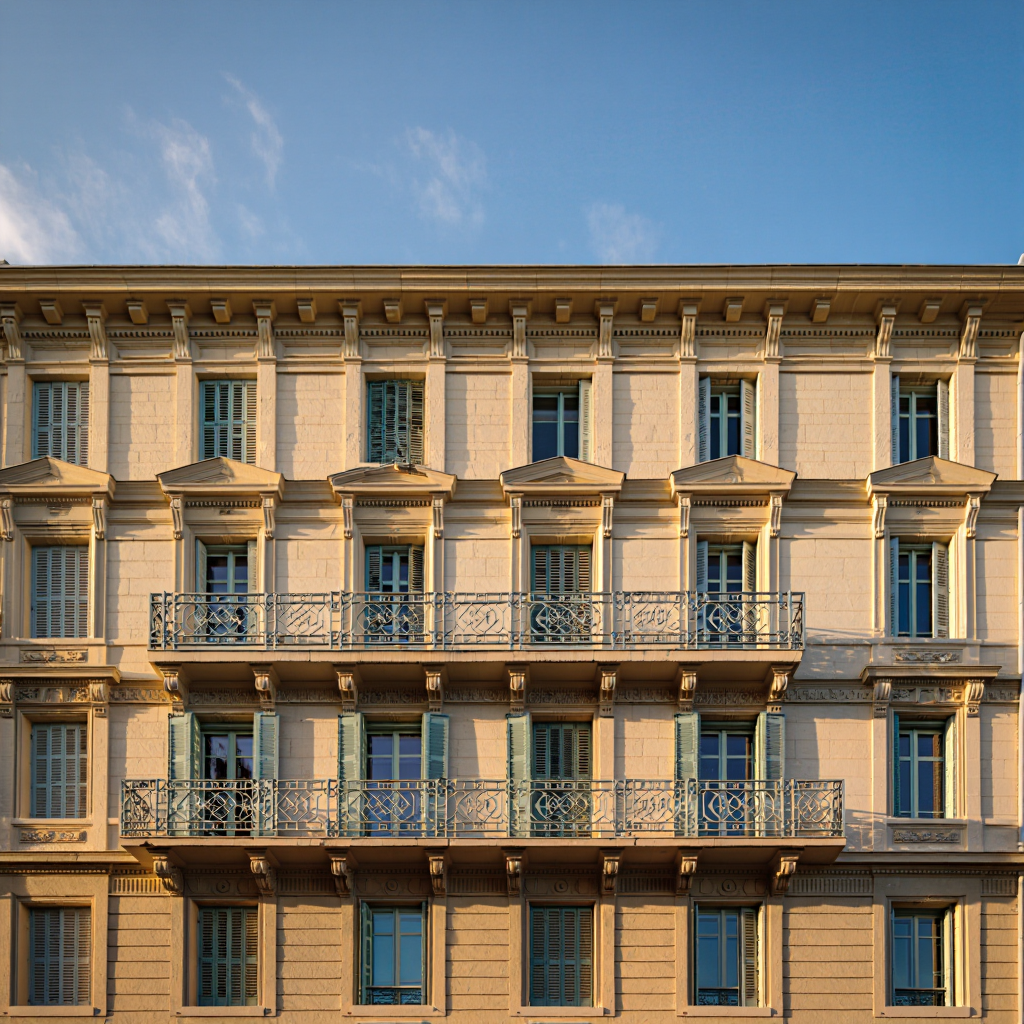

As France's second-largest city, Marseille is particularly affected by the ALUR Law. With a real estate market that is dynamic but also under strain, the measures established by this law are crucial for improving housing conditions in the city.
Rent control and the development of affordable housing are major issues for Marseille residents, who face high demand and sometimes prohibitive prices.
The city of Marseille requires adapted mechanisms to support both tenants and owners, while preserving the diversity and vitality of its neighborhoods. The ALUR Law provides a legislative framework that can contribute to solving some of these challenges by making the market more transparent and accessible to everyone.

One of the flagship measures of the ALUR Law is rent control, aimed at preventing abusive hikes and stabilizing the rental market. This measure imposes rent ceilings in so-called "high-pressure zones" (zones tendues) where demand significantly exceeds supply, such as in attractive districts like the 9th arrondissement of Marseille.
By defining an increased reference rent, it ensures fairer access to housing for tenants while offering owners better security in their rental management in Marseille.
For owners, this regulation provides a clear framework, thereby reducing the risk of disputes. Real estate agencies are also required to respect these ceilings when listing properties, which promotes transparency and protects tenants' interests. This measure is essential for rebalancing the power dynamics between tenants and landlords and ensuring greater social justice.
Co-ownership management (copropriété) is another crucial area addressed by the ALUR Law. It aims to strengthen the rights of co-owners and improve the governance of shared buildings. Among the adopted provisions are the creation of more transparent trade union councils (conseils syndicaux) and the obligation to establish a works fund to anticipate future expenses.
These measures ensure better preservation of real estate heritage and reduce conflicts between co-owners.
By increasing transparency and holding managers accountable, the ALUR Law contributes to the financial stability of co-ownerships and the valuation of real estate assets. Co-owners thus benefit from greater protection and more rigorous management of their investments.
Energy renovation holds an important place in the ALUR Law, which encourages owners to improve the energy efficiency of their properties. This process is facilitated by financial incentives and an adapted regulatory framework, aimed at reducing energy consumption and greenhouse gas emissions.
By promoting the energy transition, the law helps reduce charges for tenants and adds value to the housing stock.
Owners can thus benefit from tax reductions and subsidies for renovation work, thereby increasing the value of their property in a competitive market such as luxury real estate in Marseille. This measure is crucial for addressing current environmental challenges while improving the comfort and quality of life for occupants.
In Marseille, rent control as provided by the law plays a key role in ensuring a more balanced rental market. In a city where rental pressure is high, this measure helps protect tenants against excessive rents, making housing more accessible to middle and low-income households.
This system has contributed to stabilizing rents in the most sought-after neighborhoods while limiting unreasonable increases. Owners must now comply with strict rules, thus guaranteeing increased transparency and fairer access for all Marseille residents.
The ALUR Law has also had a positive impact on the development of affordable housing supply in Marseille. By incentivizing the construction of new social and intermediate housing, the law meets the growing demand for accessible homes.
This dynamic is accompanied by projects to rehabilitate old housing, allowing for the revitalization of certain neighborhoods while preserving their identity.
Thus, the ALUR Law promotes social diversity and a better distribution of affordable housing across the entire Marseille territory.
Improving the quality of life in Marseille is one of the positive outcomes of the ALUR Law's application. Thanks to energy renovation measures and optimized co-ownership management, residents benefit from a healthier and more pleasant environment.
The reduction of energy-related nuisances and the preservation of green spaces contribute to a better quality of life for the people of Marseille.
Furthermore, by promoting the renovation of urban infrastructure, the ALUR Law participates in the creation of more attractive and sustainable neighborhoods.


This site is protected by reCAPTCHA and the Google Privacy Policy and Terms of Service apply.
