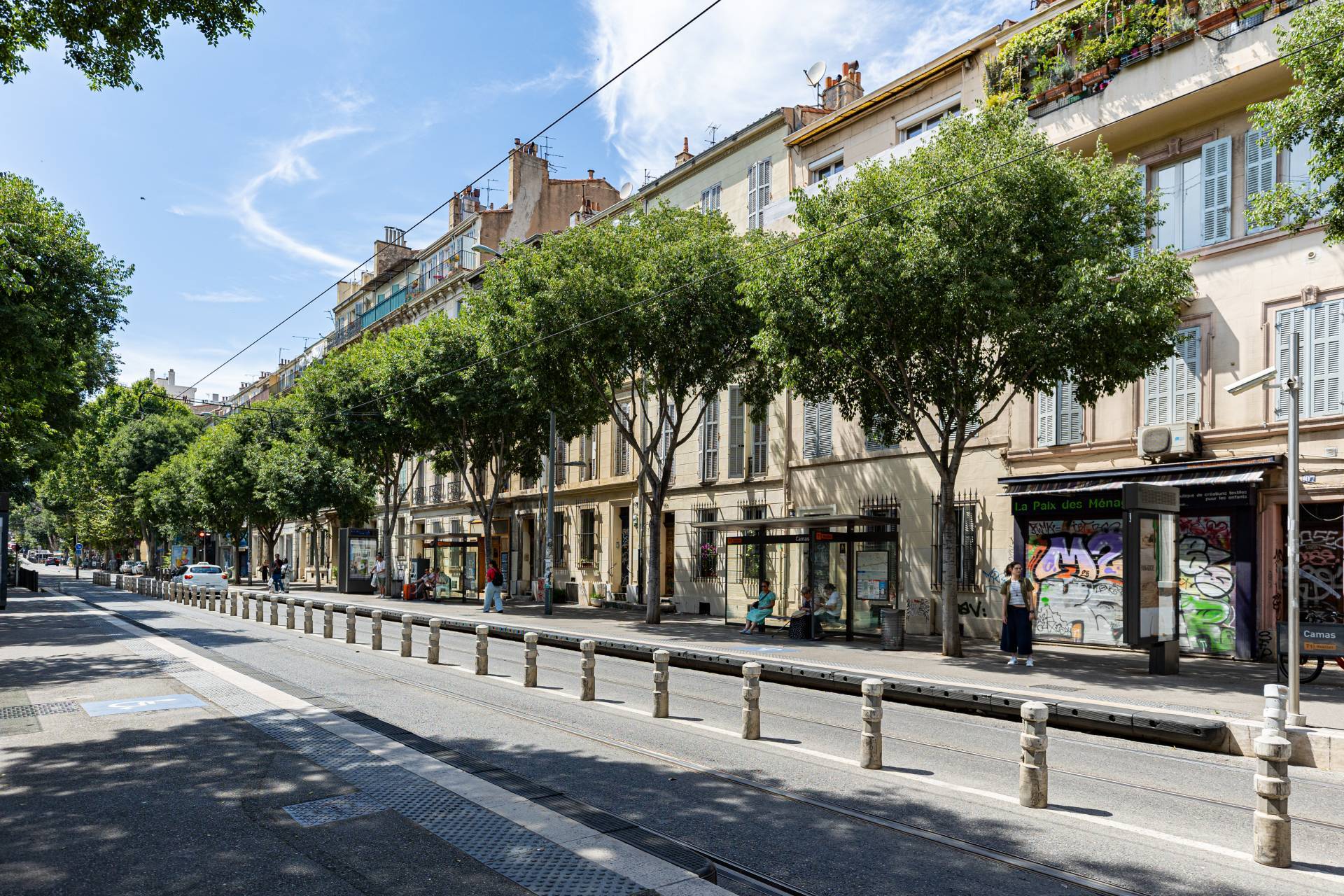
The Baille district is one of the liveliest areas in Marseille’s 5th arrondissement. Crossed from end to end by the boulevard of the same name connecting Place Castellane to the Timone University Hospital — the largest hospital in Marseille and one of the most important in France, located right in the heart of the Baille district — this area combines intense urban life, exceptional public transport access, and strong real estate demand driven by a wide variety of buyer profiles.
LLINARES Immobilier is established in the 5th arrondissement with its agency on Boulevard Eugène Pierre, just a few minutes from the Baille district. Founded in 2017 by David Llinares, our real estate agency in Marseille now has 8 offices across Marseille and Aix-en-Provence and supports hundreds of buyers throughout the city every year.
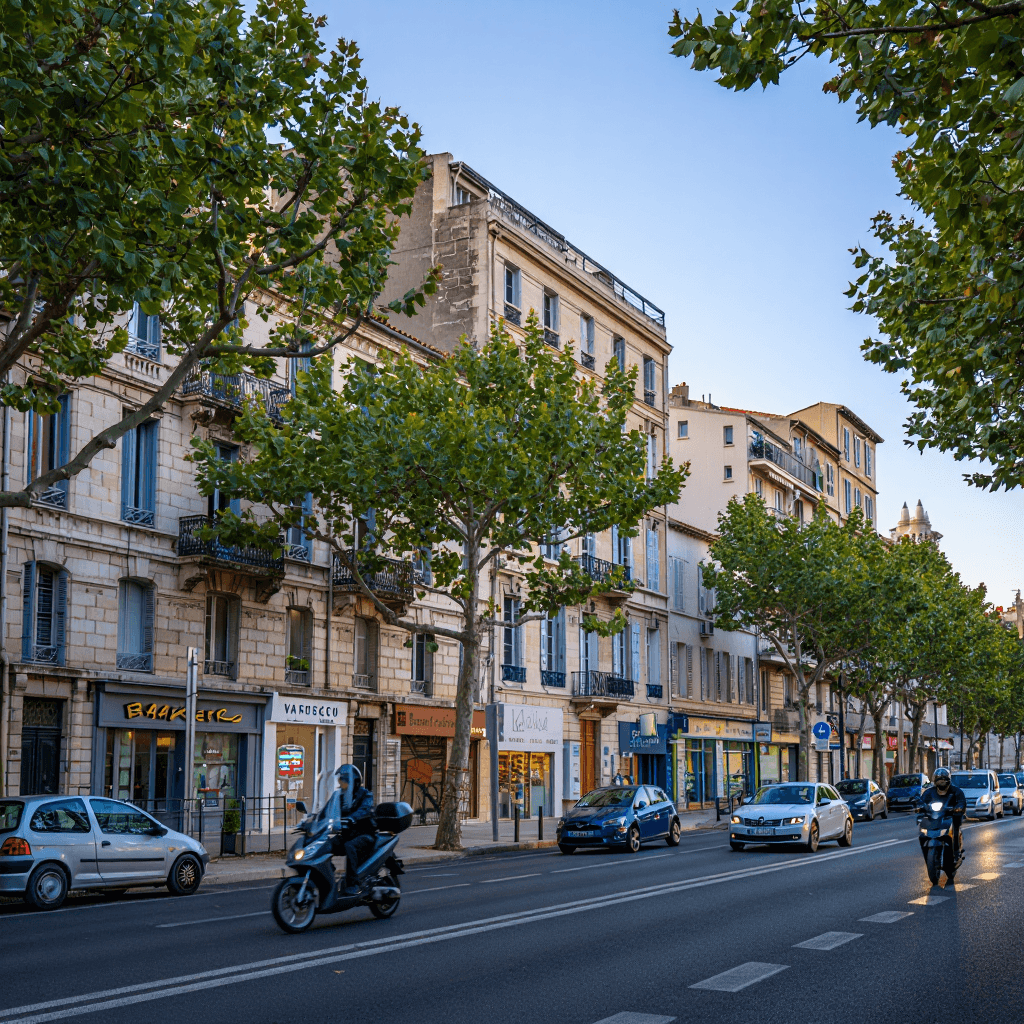
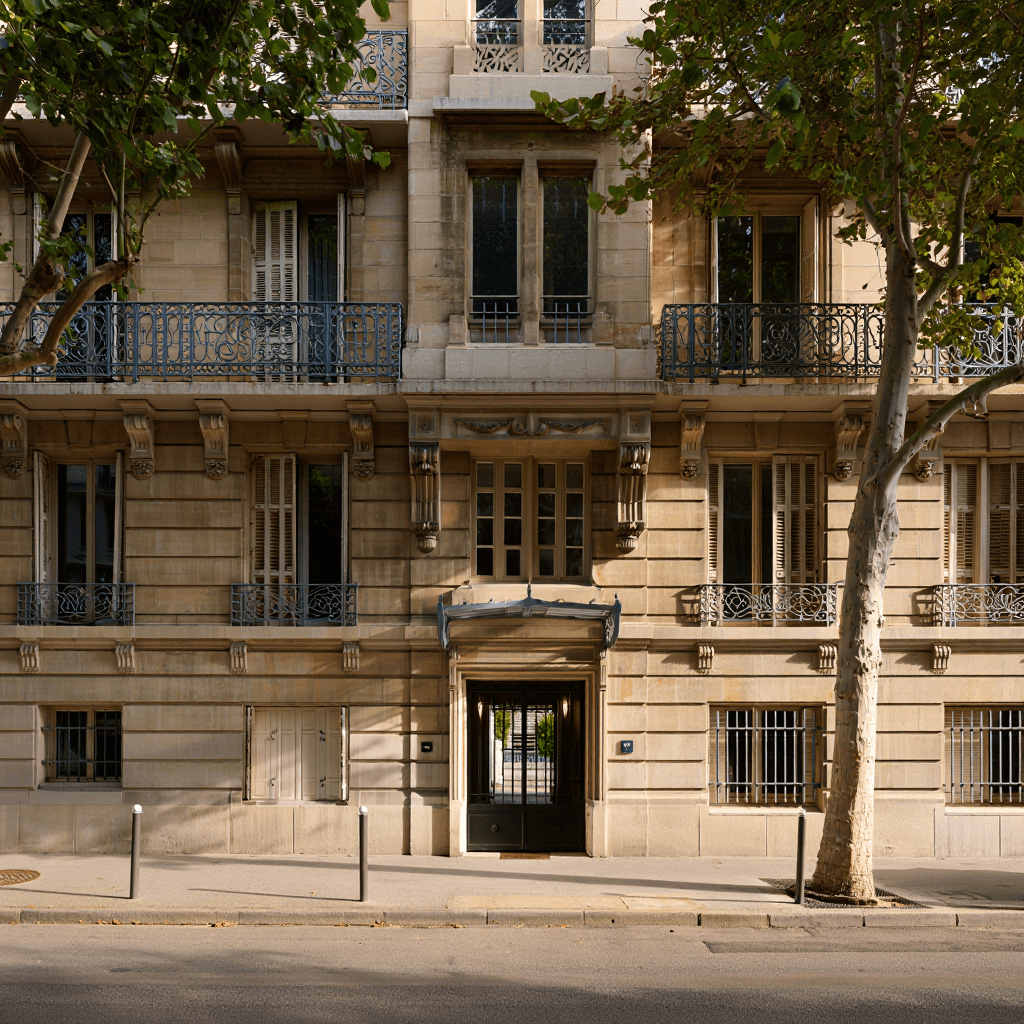
The Baille district takes its name from the 1,300-meter-long boulevard gradually created from 1857 onwards to connect Place Castellane to Marseille’s faculties of medicine, dentistry, and pharmacy. These faculties, located directly in the district alongside the Timone University Hospital, make Baille the medical and student hub of Marseille.
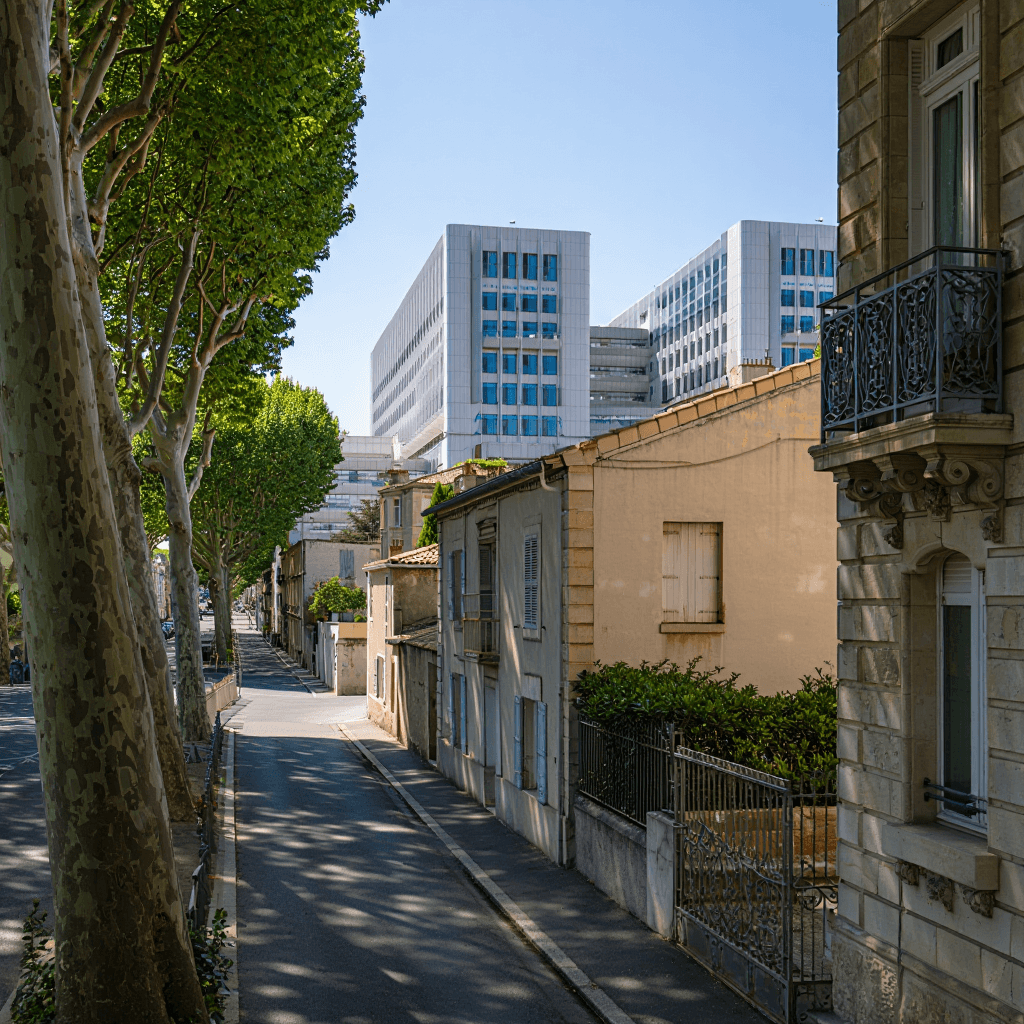
The immediate proximity to La Conception Hospital — located directly on Boulevard Baille itself — further reinforces this healthcare vocation and creates structurally strong rental demand from students, interns, and hospital staff.
Public transport access is one of the strongest assets of the area. Two metro stations directly serve the district: Baille and La Timone (both on Line 1), complemented by Castellane station (Lines 1 and 2) on the southern edge.
Numerous bus lines complete the network, providing direct access to the city center, Saint-Charles train station, and Marseille’s main employment hubs. Parc du 26e Centenaire — more than 10 hectares of green space — is also reachable within a few minutes on foot, bringing a welcome natural setting to this distinctly urban district.
Boulevard Baille is home to many local shops, restaurants, and services, creating constant activity that appeals to buyers seeking a vibrant neighborhood lifestyle. This lively atmosphere, combined with the presence of medical and university facilities, ensures long-term rental demand.
For investors, this combination of advantages — central location, transport access, and facilities — guarantees strong medium-term capital appreciation potential, especially as the district benefits from the urban renewal dynamics of Marseille’s 5th arrondissement.
The proximity to sought-after districts in the 6th and 8th arrondissements (Castellane, Périer) also provides positive prospects for the evolution of the local real estate market.
The apartment market in Baille stands out for its still reasonable prices compared to neighboring arrondissements. The average price per square meter is around €3,500 for an apartment (MeilleursAgents, January 2026), with prices ranging from €2,500 for older or renovation properties up to €4,600 for renovated apartments in the best-maintained buildings.
These levels remain significantly more affordable than neighboring arrondissements with similar transport access: the 6th arrondissement (Castellane, Vauban) averages €3,980 per square meter, while the 8th arrondissement (Prado, Périer) exceeds €4,970. Baille offers comparable centrality for a significantly lower budget.
The district has experienced a +27% increase over five years, reflecting growing attractiveness driven by student demand and the gradual renovation of the housing stock. This positive momentum is explained by buyers increasingly recognizing the strengths of the area.
On Boulevard Baille itself, the average price is around €3,450 per square meter, slightly below the district average due to the presence of older buildings offering renovation opportunities.
The price gap with surrounding districts represents a genuine opportunity for informed buyers. While the Castellane district (6th arrondissement) displays prices around 15% higher, Baille offers apartments of comparable standing at a more controlled budget.
This valuation difference is gradually narrowing, making it a particularly attractive investment sector for buyers anticipating future changes in the local market.
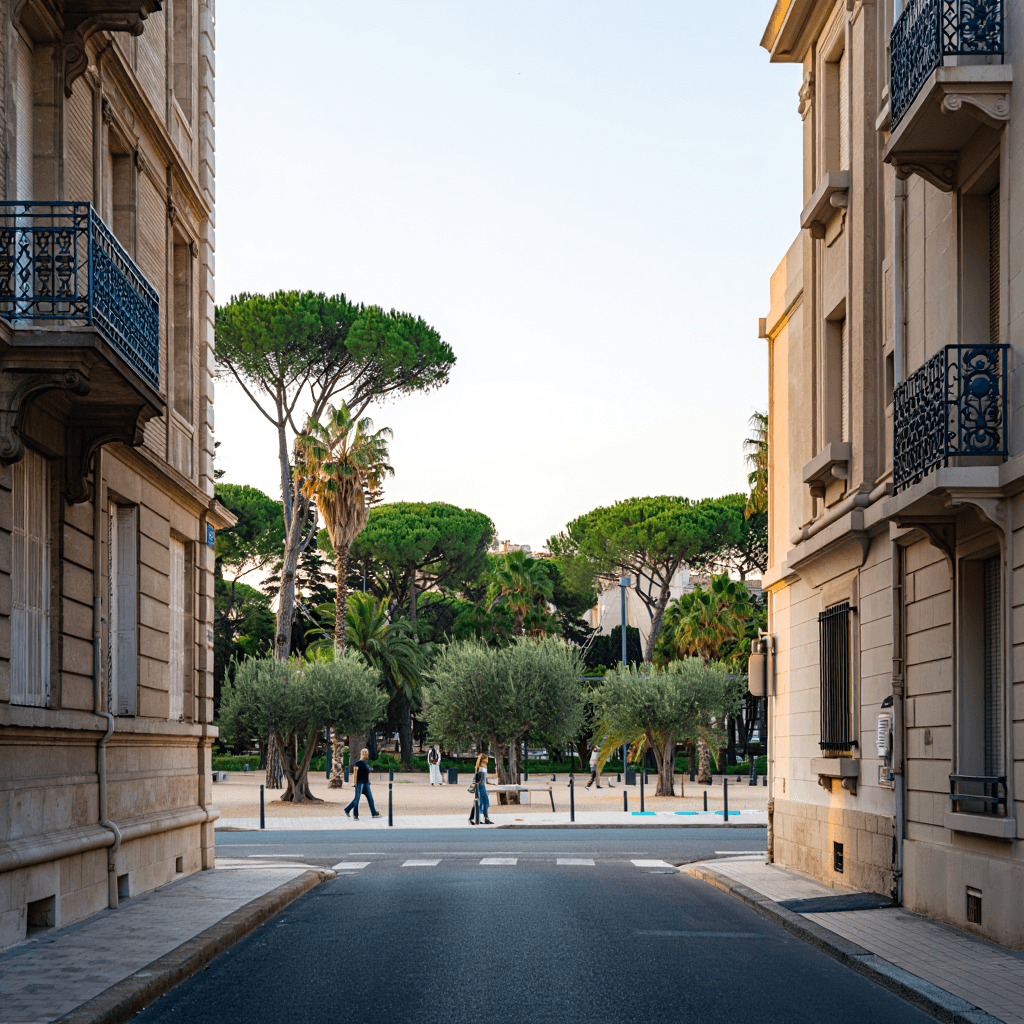
The Baille housing stock consists of more than 98% apartments. Small properties — studios and one-bedroom apartments from 20 to 50 m² — account for around 48% of the market and represent the most active segment, particularly for rental investment with apartments in Marseille 13005 offering gross yields that can reach 6 to 7%.
Family-sized two- and three-bedroom apartments (60 to 90 m²), often located in older buildings with high ceilings, generally sell between €200,000 and €350,000. Larger apartments over 90 m², which are rarer, represent attractive opportunities for buyers willing to undertake renovation work.
Strong student and medical rental demand ensures attractive yields, especially for smaller properties. A 25 m² studio purchased for €85,000 can generate monthly rent between €500 and €550, representing a gross yield of 6.5 to 7.5%.
Renovated apartments with character features (moldings, parquet flooring, fireplaces) are particularly well valued. Properties with balconies or small terraces, which are rare in the district, benefit from a premium of 10 to 15% above average prices.
Many older apartments offer strong renovation potential, allowing buyers to create value while benefiting from attractive purchase prices. Buildings dating from 1900 to 1930 often retain beautiful volumes and original architectural elements.
Co-ownership charges vary between €20 and €45 per square meter per year depending on the condition of the building and available services (elevator, caretaker). Well-managed co-ownerships keep charges under control while preserving the property’s value.
The Baille district contains a large majority of older buildings. The condition of the co-ownership is the first point to carefully examine: request the last three general meeting reports and the maintenance logbook to identify any risk of major upcoming works. Energy performance is the second key point to monitor — many older apartments have energy ratings of E or F, which since 2025 impose rental restrictions and may require renovation work to be included in the budget.
This site is protected by reCAPTCHA and the Google Privacy Policy and Terms of Service apply.
