
The VEFA (Vente en l'État Futur d'Achèvement - Sale in Future State of Completion) is the dominant acquisition method in new build real estate. In Marseille, where new build developments are expanding in transforming areas like Euroméditerranée, the 8th arrondissement, or the residential eastern neighborhoods, the vast majority of new homes are sold via VEFA—meaning off-plan, before or during construction.
This purchasing method offers significant advantages, but also possesses specific features that require a solid understanding of the process, its key stages, and the buyer's rights at every step of the transaction. Our real estate agency in Marseille assists you through this complex process.
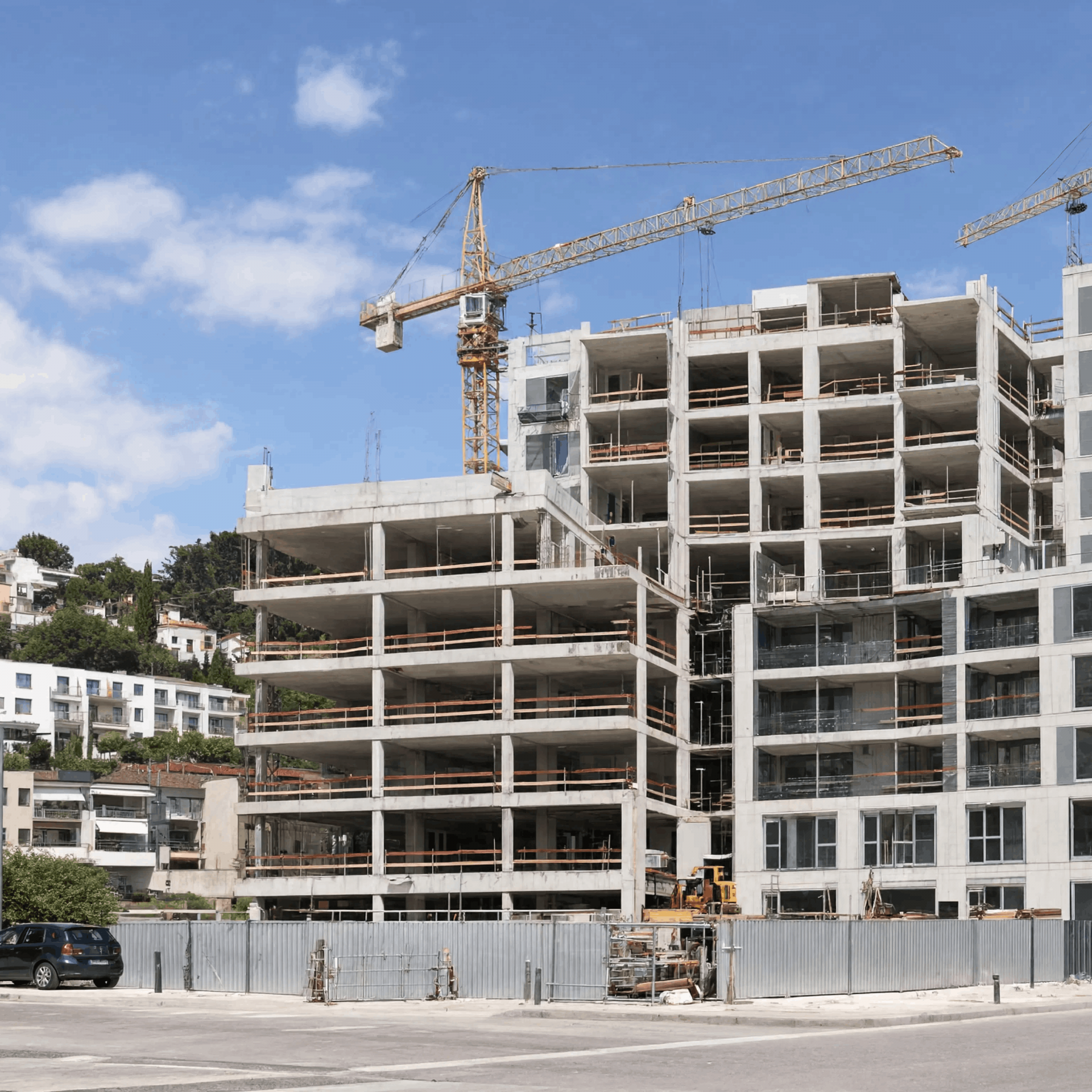

The VEFA is a French law contract defined under articles L261-1 to L261-22 of the Construction and Housing Code. It allows for the purchase of a new build property that is not yet constructed or whose construction is not yet completed. The buyer becomes the owner progressively, as the works advance.
The buyer first owns the land and foundations, then the walls, and eventually the entirety of the building up until final delivery. This gradual transfer of ownership is the central characteristic that distinguishes VEFA from any other real estate acquisition method.
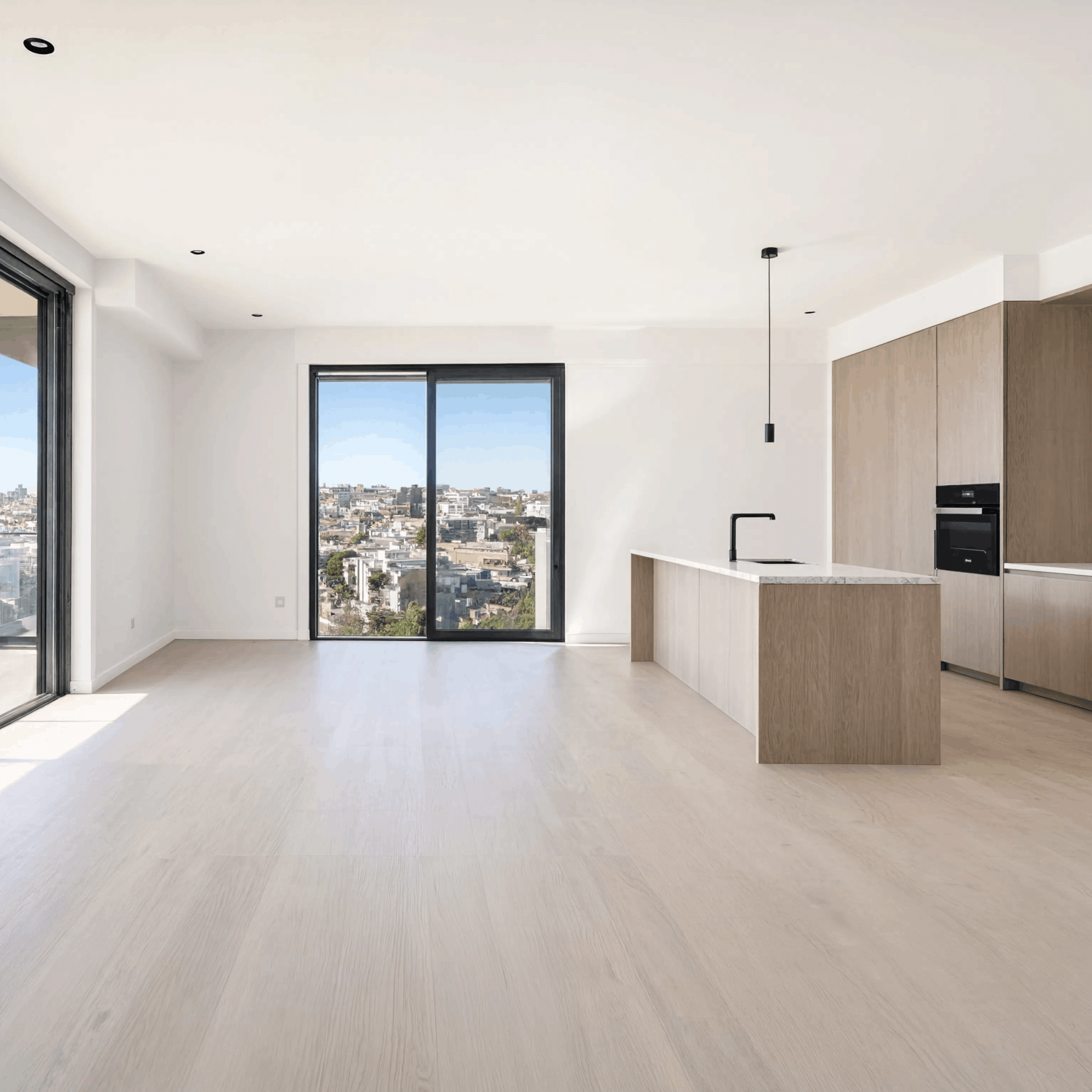
Buying through VEFA in Marseille offers several concrete benefits. The price is fixed permanently upon signing, regardless of updates to construction costs. Notary fees are reduced to 2-3% of the price compared to 7-8% for existing properties. Five compulsory legal warranties protect the buyer from delivery up to ten years thereafter.
Payments are staggered according to the construction schedule, avoiding the need to mobilize the entire funds from the start. Additionally, customization of the property is possible before construction begins, allowing buyers to tailor the finishes to their tastes and lifestyle.
Buying via VEFA also involves constraints that must be anticipated. The home does not exist yet or is under construction: the buyer must envision it based on blueprints, descriptions, and scale models, without being able to visit the property prior to delivery.
Delivery timeframes generally span from 18 to 36 months, and delays are common. Managing stage payment requests with the bank requires rigorous organization.
Evaluating the quality of the delivered property during the handover report is a critical step that requires preparation and vigilance.
The first step consists of identifying the development that matches your budget, desired location, and housing criteria (surface area, number of rooms, presence of an outdoor space, parking). In Marseille in 2026, dozens of developments are actively being marketed or are nearing completion.
Prices range from under €2,500 per square meter in the northern sectors to over €7,000 per square meter in the 8th arrondissement. Selecting a solid developer with a proven track record of timely deliveries is an essential prerequisite before signing anything.
The first step consists of identifying the development that matches your budget, desired location, and housing criteria (surface area, number of rooms, presence of an outdoor space, parking). In Marseille in 2026, dozens of developments are actively being marketed or are nearing completion, with prices ranging from under €2,500 per square meter in the northern sectors to over €7,000 per square meter in the 8th arrondissement.
Selecting a solid developer with a proven track record of timely deliveries is an essential prerequisite before signing anything.
The VEFA reservation contract formalizes the buyer's commitment. It specifies the reserved unit, the estimated price, the projected dates for signing the deed of sale and delivery, and cancellation conditions. A security deposit capped at 5% of the price is generally requested.
The buyer then benefits from a 10-day cooling-off period during which they can cancel their commitment without any penalty or justification.

In the weeks following the signature of the reservation contract, the buyer finalizes their financing plan: applying for a PTZ (zero-interest loan) if eligible, negotiating the primary mortgage, and potentially an Action Logement loan. The bank evaluates the file's creditworthiness and issues a conditional loan offer.
This step is critical: if financing is declined after two serious applications, the financing condition precedent allows for the cancellation of the reservation and the recovery of the security deposit.
The signing of the authentic deed at the notary's office marks the official start of the transfer of ownership. On this date, the buyer pays the notary fees (2-3% for new builds) and a first installment of the price according to the contractual schedule.
The deed of sale confirms all the terms of the transaction: the final price, the property description, the stage payment calendar, warranties, and delivery conditions.
At each key stage of construction—foundations (35%), watertightness (70%), completion (95%)—the developer sends a stage payment request to the buyer, who forwards it to their bank for partial release of the loan funds. During this period, the buyer pays bridging interest on the sums already released. The duration of this construction phase—generally 12 to 24 months in Marseille depending on the development—directly influences the total amount of bridging interest paid.
A few weeks before the keys are handed over, the developer generally organizes a pre-handover inspection visit allowing the buyer to view their future home and point out any unfinished work or obvious defects. This visit does not replace the official delivery handover, but it allows for the anticipation of snags that will be noted in the final handover report, giving the developer time to correct certain defects before the keys are officially exchanged.
The handover of the keys is the final step of the transaction. The buyer visits their property accompanied by the developer, notes all observed issues on the handover report, and pays the remaining 5% balance—or places it in escrow in the event of significant issues. The buyer receives all documents associated with the property (co-ownership rules, maintenance log, equipment manuals) and then has a 30-day period to report any additional defects not spotted during the visit.

This site is protected by reCAPTCHA and the Google Privacy Policy and Terms of Service apply.
